Electric Vehicle Subsidy in India 2026: Latest Update
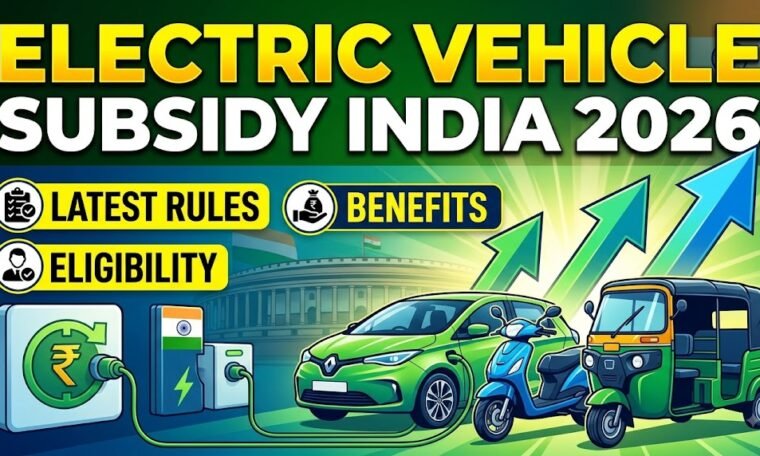
The Electric Vehicle Subsidy in India 2026 landscape has received an important update, particularly for electric two-wheeler buyers. The Centre has extended incentives under the PM E-DRIVE scheme for eligible electric two-wheelers until March 31, 2028. Under the revised structure, the incentive is set at ₹2,500 per kWh, subject to a maximum of ₹5,000 per vehicle.
The latest change is important because the earlier 2026 policy had created uncertainty over how long electric two-wheelers would continue receiving purchase incentives. The government has now provided a longer support period, although the incentive amount is considerably lower than the rates available under earlier phases.
So, if you’re planning to buy an electric scooter, motorcycle or another eligible EV in 2026, understanding the PM E-DRIVE subsidy rules, eligibility requirements and incentive limits is essential.
What Is the PM E-DRIVE Scheme?
PM E-DRIVE stands for Prime Minister’s Electric Drive Revolution in Innovative Vehicle Enhancement.
The scheme was introduced by the Ministry of Heavy Industries to accelerate electric mobility in India and support the wider EV ecosystem.
The programme covers demand incentives for eligible EV categories while also supporting areas such as charging infrastructure and electric public transport. The official PM E-DRIVE portal provides information about scheme guidelines, approved models and the e-voucher system used for eligible customers.
The scheme is therefore more than simply a discount on an electric scooter. It is part of India’s broader effort to increase EV adoption and strengthen domestic electric-vehicle manufacturing.
What Is the Latest EV Subsidy Amount in 2026?
For eligible electric two-wheelers, the latest incentive structure provides:
- ₹2,500 per kWh
- Maximum incentive of ₹5,000 per vehicle
- Eligible vehicle ex-factory price capped at ₹1.5 lakh
- Support available under the revised programme through March 31, 2028
The government has also specified that the incentive is subject to a ceiling linked to the vehicle’s ex-factory price, with the applicable amount limited to the notified cap or 15% of the ex-factory price, whichever is lower.
This means buyers should not assume that every electric scooter will automatically receive ₹5,000.
The actual incentive depends on the vehicle’s eligible battery capacity, price and other scheme requirements.
Who Is Eligible for the EV Subsidy?
Eligibility depends on the vehicle category and the rules applicable to the specific scheme.
For electric two-wheelers, the vehicle must meet the applicable technical, manufacturing and price requirements under PM E-DRIVE.
The government maintains a model approval system, meaning buyers should check whether the particular model and variant is approved under the scheme. The official PM E-DRIVE portal provides information on approved vehicle models.
In simple terms, buying any electric scooter from any manufacturer does not automatically guarantee a central subsidy.
₹1.5 Lakh Price Cap Explained
One of the most important rules for electric two-wheelers is the ₹1.5 lakh ex-factory price ceiling under the revised incentive structure.
This is important because an EV’s:
- Ex-factory price
- Ex-showroom price
- On-road price
are not the same thing.
The eligibility calculation is based on the applicable scheme definition, so consumers shouldn’t simply compare the final on-road price with ₹1.5 lakh.
If you’re purchasing an expensive premium electric scooter, check the exact variant’s PM E-DRIVE eligibility before assuming that the subsidy applies.
How Does the PM E-DRIVE E-Voucher Work?
One of the interesting features of the PM E-DRIVE system is the e-voucher mechanism.
According to the official PM E-DRIVE portal, the scheme generates an e-KYC and Aadhaar Face-authenticated e-voucher for an eligible customer at the time of purchase. A link to download the voucher is sent to the customer’s registered mobile number.
This digital process is designed to make the incentive mechanism more transparent and easier to track.
Buyers should therefore provide accurate identification and registration information during the purchase process.
Does the Subsidy Apply to Electric Cars?
This is where buyers need to be careful.
The PM E-DRIVE demand incentive structure is not simply a universal cash subsidy for every electric car sold in India.
The scheme has different provisions for different vehicle categories, while separate government policies support EV manufacturing and infrastructure.
For example, the government has approved the Scheme to Promote Manufacturing of Electric Passenger Cars in India (SPMEPCI), which is focused on encouraging manufacturers to establish production of electric passenger vehicles in India.
Therefore, someone purchasing an electric car should not assume that the same ₹5,000 incentive available under the revised electric two-wheeler structure applies to their car.
What About State EV Subsidies?
Central government incentives and state-level EV policies are two different things.
Several Indian states and Union Territories have introduced their own EV policies. These can include benefits such as:
- Purchase incentives
- Road-tax concessions
- Registration-fee exemptions
- Charging infrastructure support
- Manufacturing incentives
- Scrappage-related benefits
However, state incentives can change over time.
They may also differ according to:
- Vehicle category
- Battery capacity
- Vehicle price
- Registration location
- Personal or commercial use
- Policy validity period
Therefore, before purchasing an EV, check the current policy applicable in your state and the exact vehicle category.
Why EV Subsidies Matter for Buyers
Even a relatively small incentive can make an electric vehicle more attractive when combined with lower running costs.
For example, an electric scooter may have a higher upfront purchase price than a comparable petrol scooter, but electricity can cost less per kilometre depending on the local electricity tariff and vehicle efficiency.
EV buyers may also benefit from lower maintenance requirements because electric powertrains have fewer conventional engine components.
There are still costs to consider, including tyres, insurance, servicing, charging equipment and eventual battery-related expenses.
EV Subsidy and Electric Scooter Buyers
Electric scooters are likely to remain one of the biggest beneficiaries of the revised PM E-DRIVE support.
Models eligible under the scheme can receive the applicable incentive at the time of purchase, subject to the scheme’s limits.
However, don’t select an electric scooter simply because it qualifies for a subsidy.
Compare:
Battery Capacity
A larger battery may provide greater range but can increase the purchase price.
Real-World Range
Claimed range and actual range can differ depending on traffic, speed, rider weight, weather and riding mode.
Charging Time
Check how long the scooter takes to charge using the charger supplied with the vehicle.
Service Network
A strong service network can be important for long-term ownership.
Battery Warranty
Read the battery warranty carefully before buying.
Are EVs Still Worth Buying After the Subsidy Reduction?
For many buyers, the answer can still be yes.
The reduction in direct incentives doesn’t necessarily eliminate the economic advantages of electric mobility.
The overall cost of ownership depends on:
Purchase price + financing + charging cost + maintenance + insurance + depreciation.
A person travelling long distances every day may potentially save more on energy costs than someone who drives only a few kilometres each week.
That means your driving pattern matters more than the headline subsidy.
How to Check EV Subsidy Eligibility Before Buying
Before booking an electric vehicle, follow these steps:
1. Check the Exact Variant
Don’t check only the model name. Different variants may have different prices and specifications.
2. Check PM E-DRIVE Approval
Use the official PM E-DRIVE information and approved-model resources.
3. Confirm the Ex-Factory Price
Make sure the vehicle falls within the applicable price ceiling.
4. Ask the Dealer About the Incentive
Request a clear breakdown of the purchase price and applicable central or state incentive.
5. Check Your State Policy
State benefits can be separate from central government support.
6. Check the Final On-Road Price
Don’t compare only ex-showroom prices. Registration, insurance and other charges can significantly affect your final cost.
EV Subsidy vs EV Running Cost
A subsidy is a one-time purchasing benefit.
Running-cost savings continue throughout ownership.
For this reason, buyers should calculate their estimated annual kilometres.
For example, someone commuting 40–50 kilometres every day could potentially save significantly more on fuel or energy costs over several years than someone who uses a vehicle occasionally.
The most important question isn’t simply:
“How much subsidy will I get?”
Instead, ask:
“How much will this EV cost me to own and operate for five years?”
What Is the Future of EV Subsidies in India?
The latest extension indicates that the government continues to support electric mobility, particularly in the two-wheeler segment.
The revised PM E-DRIVE programme has an overall outlay of ₹11,900 crore, according to the latest government-related reporting, with the extension intended to sustain EV adoption and support the domestic manufacturing ecosystem.
At the same time, the lower incentive per vehicle shows that government support can evolve as EV adoption increases.
The long-term EV market is therefore likely to depend increasingly on factors such as battery prices, charging infrastructure, vehicle technology, financing and consumer demand rather than subsidies alone.
Frequently Asked Questions About EV Subsidy in India 2026
What is the EV subsidy in India in 2026?
For eligible electric two-wheelers under the latest PM E-DRIVE structure, the incentive is ₹2,500 per kWh, capped at ₹5,000 per vehicle, subject to applicable conditions.
Is PM E-DRIVE subsidy available in 2026?
Yes. The latest government update extends eligible electric two-wheeler incentives through March 31, 2028.
Is every electric scooter eligible?
No. The vehicle must meet the applicable PM E-DRIVE requirements and be an approved/eligible model.
Can I get both central and state EV benefits?
Potentially, depending on the applicable state policy and its rules. State incentives are separate from the central scheme.
How do I receive the PM E-DRIVE incentive?
The scheme uses an e-voucher process. The official portal states that an eligible customer’s e-KYC and Aadhaar Face-authenticated e-voucher is generated during purchase.
Conclusion
The Electric Vehicle Subsidy in India 2026 remains an important factor for people considering an electric scooter or other eligible EV. The latest PM E-DRIVE update extends incentives for eligible electric two-wheelers until March 31, 2028, with the current incentive set at ₹2,500 per kWh and capped at ₹5,000 per vehicle, subject to the scheme’s conditions.
However, buyers should look beyond the subsidy. The right EV should offer suitable range, charging convenience, battery warranty, reliable service support and reasonable total ownership costs.
Before booking a vehicle, always verify the latest PM E-DRIVE eligibility, approved model status, state-level incentives and final on-road price. Policies can change, and the benefit available for one EV variant may not apply to another.