For Xiaomi India, the Redmi Note 15 series isn’t just another smartphone lineup—it’s the backbone of the brand’s identity in one of the world’s most competitive markets. For years, the Note series has sat right in the middle of the smartphone spectrum, attracting massive volumes, shaping buyer expectations, and often defining what a “mainstream” phone should actually deliver. With the launch of the Redmi Note 15, Xiaomi isn’t chasing flashy, short-lived trends. Instead, it’s responding to a deeper shift in how people buy, use, and keep their devices.
Let’s be honest—how many of us really change phones every year anymore? That era is fading fast. Consumers today want stability, durability, and software support that lasts years, not months. And Xiaomi seems keenly aware of this reality.
Why the Xiaomi Redmi Note Series Still Matters in 2025
If you zoom out and look at Xiaomi journey in India, one thing becomes obvious: the Redmi Note series has consistently been the brand’s volume driver. It’s the phone most people recognize, recommend, and return to.
According to Sandeep Sarma, Associate Director of Marketing at Xiaomi India, the Note series has long reflected the mood of the market itself. It didn’t just follow consumer behaviour—it helped shape it.
Think of the Redmi Note like the “average Indian buyer” of smartphones. It’s never been ultra-cheap, never been extravagantly premium. Instead, it has lived comfortably in that crucial middle zone, occasionally stretching just above or dipping just below the market’s centre of gravity.
That positioning, Sarma believes, gave the Note series a unique responsibility. When consumer expectations changed, the Note had to change with them—sometimes even before people fully understood why.
Redmi Note 15 Marks a Coming-of-Age Moment for Xiaomi
Over the last two years, Xiaomi made some decisions that didn’t immediately make sense to everyone. The Redmi Note took bolder steps—changes that felt slightly ahead of their time. At first, not all users understood these moves.
But looking back now, Sarma feels those choices were right.
Why? Because consumer psychology itself was evolving. People were slowing down their upgrade cycles. The excitement of buying a new phone every year was being replaced by a desire for reliability, consistency, and long-term value.
In many ways, the Redmi Note series was growing up—just like its audience.
Why Redmi Note 15 Is Built for Long-Term Smartphone Users
Here a simple truth: smartphones have become good enough to last longer. The average consumer today uses their phone for three to three-and-a-half years, and many stretch that to four or even four-and-a-half years.
That changes everything.
When someone plans to live with a device for that long, flashy specs alone aren’t enough. Buyers start asking tougher questions:
-
Will this phone still feel fast in three years?
-
Will it get updates?
-
Will the battery survive daily abuse?
-
Will repairs and service be reliable?
Sarma explains that these questions create “prerequisites” for anyone even considering an upgrade. And the Redmi Note 15 is Xiaomi’s answer to those prerequisites.
Redmi Note 15 Hardware and Performance Built for Longevity
At the heart of the Redmi Note 15 is the Snapdragon 6 Gen 3 chipset, designed to balance performance and efficiency. This isn’t about chasing benchmark headlines—it’s about delivering smooth, predictable performance over years of use.
The display continues that philosophy. A 6.67-inch curved AMOLED panel with a 120Hz refresh rate and a peak brightness of around 3,200 nits ensures the phone remains readable and responsive in almost any condition. Add TÜV-certified eye-care features and Wet Touch support, and you have a screen that’s not just beautiful, but practical for everyday life.
This is the kind of display you stop noticing after a while—not because it’s bad, but because it quietly does its job without demanding attention.
Redmi Note 15 Camera: 108MP Sensor That Aims Beyond Its Price
Let’s talk cameras, because this is where expectations have skyrocketed.
The Redmi Note 15 introduces the 108MP Samsung ISOCELL HM9 sensor, making its global debut on this device. According to Xiaomi, this isn’t just another high-megapixel number slapped on a spec sheet.
With optical image stabilisation, improved low-light performance, and 3x in-sensor zoom, the HM9 sensor is designed to deliver results closer to what you’d expect from flagship devices. Sarma refers to it as the “108 MasterPixel”, emphasizing that the output—not the megapixel count—is the real story.
Redmi Note 15 Battery Life and Silicon-Carbon Technology
A phone meant to last years needs a battery that won’t give up halfway.
The Redmi Note 15 packs a 5,520 mAh silicon-carbon battery, rated for extensive charge cycles and supported by 45W wired charging. The use of silicon-carbon technology allows Xiaomi to maintain battery capacity without turning the phone into a thick brick.
This is about balance—enough battery to last through heavy days, without sacrificing comfort in the hand.
Software Support That Looks Years Ahead
Here’s where Xiaomi is making one of its strongest statements.
The Redmi Note 15 promises four years of OS upgrades and six years of security updates. That means software support stretching into 2030, with security patches continuing until 2032.
In a world where mid-range phones often feel abandoned after two years, this kind of commitment changes the equation. It makes the Redmi Note 15 feel less like a temporary gadget and more like a long-term companion.
Durability, Reliability, and the Role of After-Sales Support
When users keep phones longer, durability becomes non-negotiable. Sarma points out that people now expect better build quality, consistency, and dependable after-sales support.
This isn’t just about surviving drops—it’s about knowing that if something does go wrong, help is available and accessible. Xiaomi’s scale in India gives it an advantage here, and the Note 15 leans heavily into that trust factor.
When Specs Are Expected, Experience Becomes the Differentiator
A few years ago, specs were exciting. Today, they’re expected. The real question is how well all these components work together. That’s where experience—imaging, software tuning, stability—starts to matter more than raw numbers.
In the Redmi Note 15, Xiaomi is betting that a refined, cohesive experience will matter more than chasing spec-sheet bragging rights.
Design: From Constant Change to Consistent Identity
Earlier Redmi Note phones looked noticeably different every year. While that created excitement, it also diluted identity.
Sarma admits that some older Notes felt generic. Today, Xiaomi is taking a steadier approach. The design language is evolving slowly, being refined rather than reinvented.
Design, after all, isn’t something you perfect overnight. It’s more like polishing a sculpture—small tweaks, careful adjustments, and patience. Anuj Sharma, Xiaomi India’s Chief Marketing Officer, doesn’t believe innovation has hit a ceiling.
Sure, the pace feels different. But the effort behind each product hasn’t decreased. Every new Note still receives significant investment, testing, and refinement.
The Importance of In-Hand Feel and Ergonomics
Here’s something we don’t talk about enough: how a phone feels when you actually hold it.
Sharma believes the “moment of truth” now happens in physical stores. People want to touch a device, feel its weight, test its balance.
The Redmi Note 15 is designed to deliver that “Eureka moment”—the instant when you think, This feels right.
Thinness alone isn’t the goal. Too thin, and phones become slippery and uncomfortable. Balance matters more than numbers.
Battery Design: Knowing Where to Stop
There’s a limit to how big a battery should be. Sharma explains that increasing capacity only makes sense up to a point. Beyond that, ergonomics suffer.
Silicon-carbon battery tech helps Xiaomi strike this balance, offering strong battery life without excessive bulk.
Redmi Pad 2 Pro: Making Laptops Optional
This philosophy extends beyond phones.
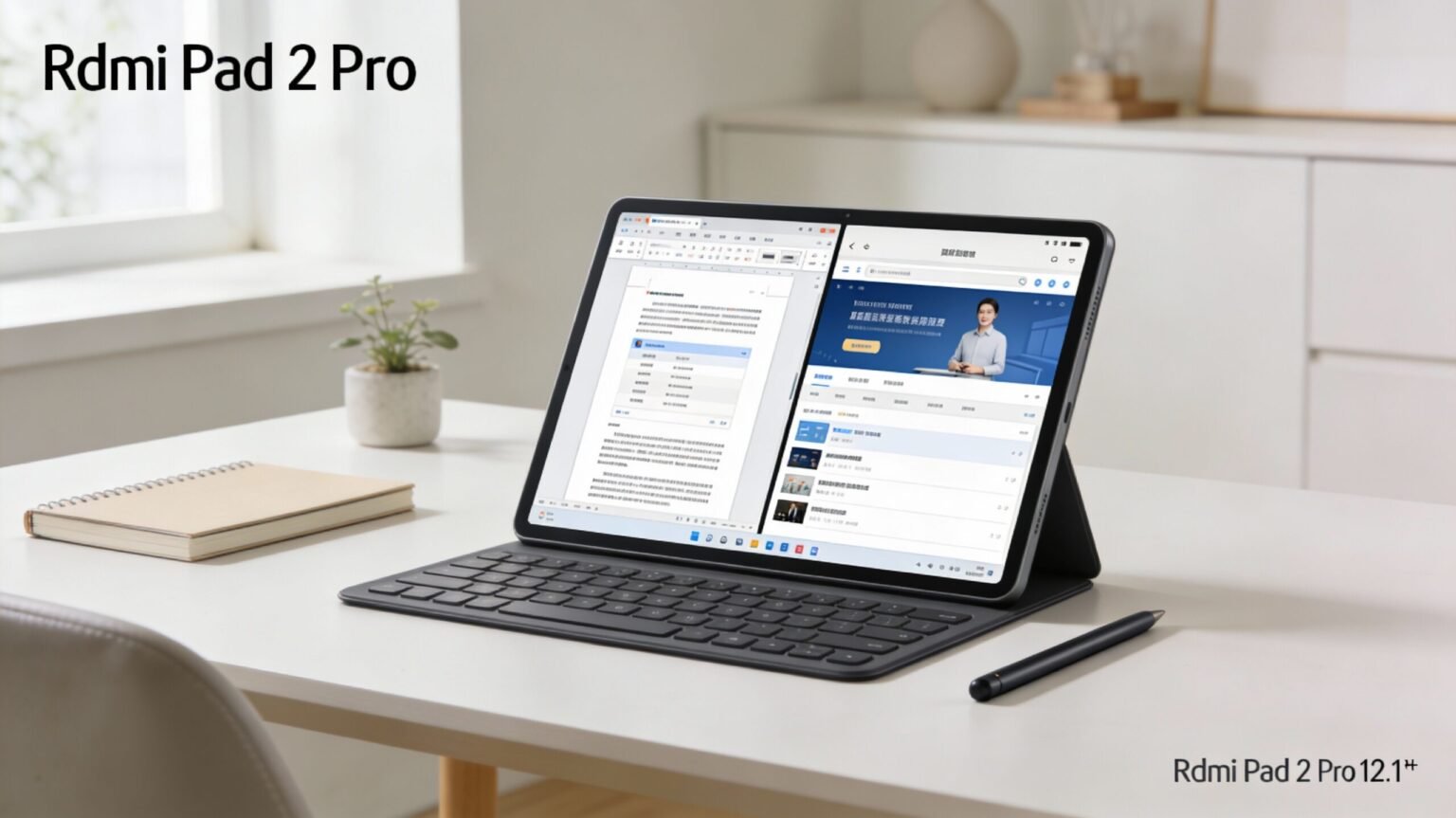
The Redmi Pad 2 Pro is Xiaomi attempt to build a tablet that can handle everyday computing needs. With a 12.1-inch 2.5K AdaptiveSync display, 120Hz refresh rate, Dolby Vision, and quad speakers with Dolby Atmos, it’s designed for both work and entertainment.
Powered by the Snapdragon 7s Gen 4, the tablet houses a massive 12,000 mAh battery—the largest Xiaomi claims to have put in a tablet.
Why Tablets Can’t Just Chase Thinness
Sharma explains that tablets have different ergonomic limits. Too thin, and they become uncomfortable to hold for long periods.
The Pad 2 Pro balances weight, thickness, and battery capacity to suit real-world usage. Accessories like a Smart Pen and keyboard expand its functionality, while HyperOS features enable seamless integration with Xiaomi’s ecosystem.
How Xiaomi Finds the “Right” Form Factor
Xiaomi’s design process involves extensive consumer testing. People handle dummy units with different weights and thicknesses, offering direct feedback.
This looped learning process informs not just one product, but entire product lines across price segments. Longer device usage builds familiarity. And familiarity builds loyalty.
Sharma reveals that around 50% of Redmi Note 14 buyers were previous Note users—nearly double the industry average. That’s not accidental. It’s the result of consistent quality and long-term trust.
Sarma adds that even when users experiment with other brands, many eventually return. Do the right thing consistently, and people come back.
The Bigger Picture: Consistency Over Hype
Across the Redmi Note 15 and Redmi Pad 2 Pro, a single idea stands out: consistency.
Long-term software support, durable hardware, ergonomic design, and thoughtful upgrades matter more than flashy innovation. Xiaomi isn’t trying to shock the market—it’s trying to earn long-term trust.
Conclusion
The Redmi Note 15 and Redmi Pad 2 Pro reflect a Xiaomi that has grown alongside its audience. In a market where consumers keep devices longer and expect more from them, Xiaomi is focusing on balance, reliability, and long-term value.
Instead of chasing trends, it’s doubling down on fundamentals—and that might just be the smartest strategy of all. If you’re the kind of user who wants a device that feels dependable rather than disposable, Xiaomi’s latest approach makes a lot of sense. The Redmi Note 15 isn’t about instant excitement—it’s about lasting satisfaction. And in today’s smartphone world, that might be the most meaningful innovation there is.